Five places in Salem where something actually happened, what each one costs, and the thing almost every visitor arrives believing that is not true.
Proctor's Ledge: the place, and why the old address was wrong
For three centuries nobody could say with certainty where the hangings happened. The answer arrived in January 2016, when the Gallows Hill Project at Salem State University identified Proctor's Ledge - a low rocky shelf at the base of Gallows Hill, roughly a mile from the downtown crowds, hemmed in now by a residential street. A memorial designed by Martha Lyon was dedicated there on 19 July 2017, the 325th anniversary of the first five hangings. It is a granite wall, the names, and a locust tree. Most visitors to Salem never see it, and most tours do not go: it is a mile out, there is nothing to sell there, and it is the one site in the city where something actually happened.
The Witch House is the only building that was standing
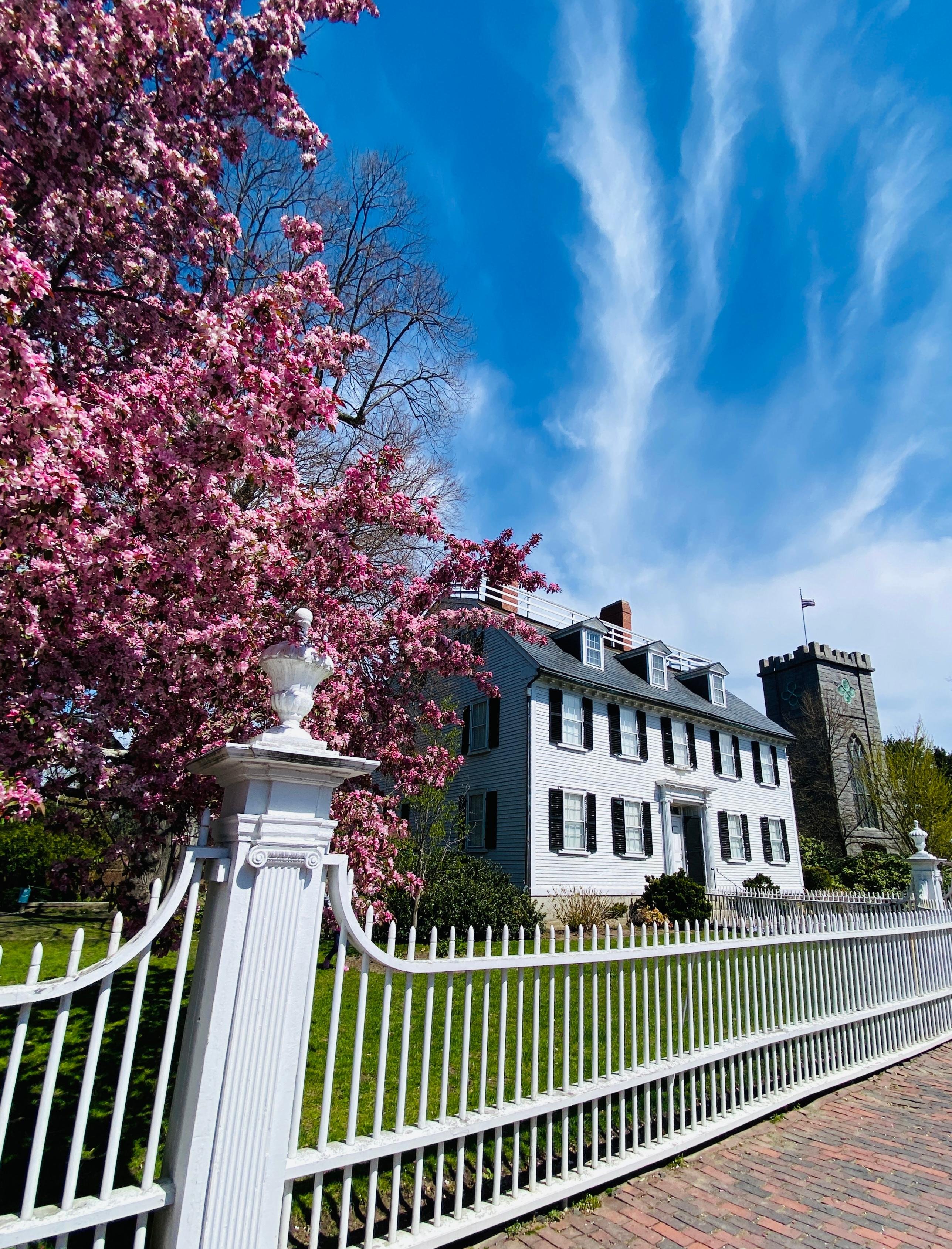
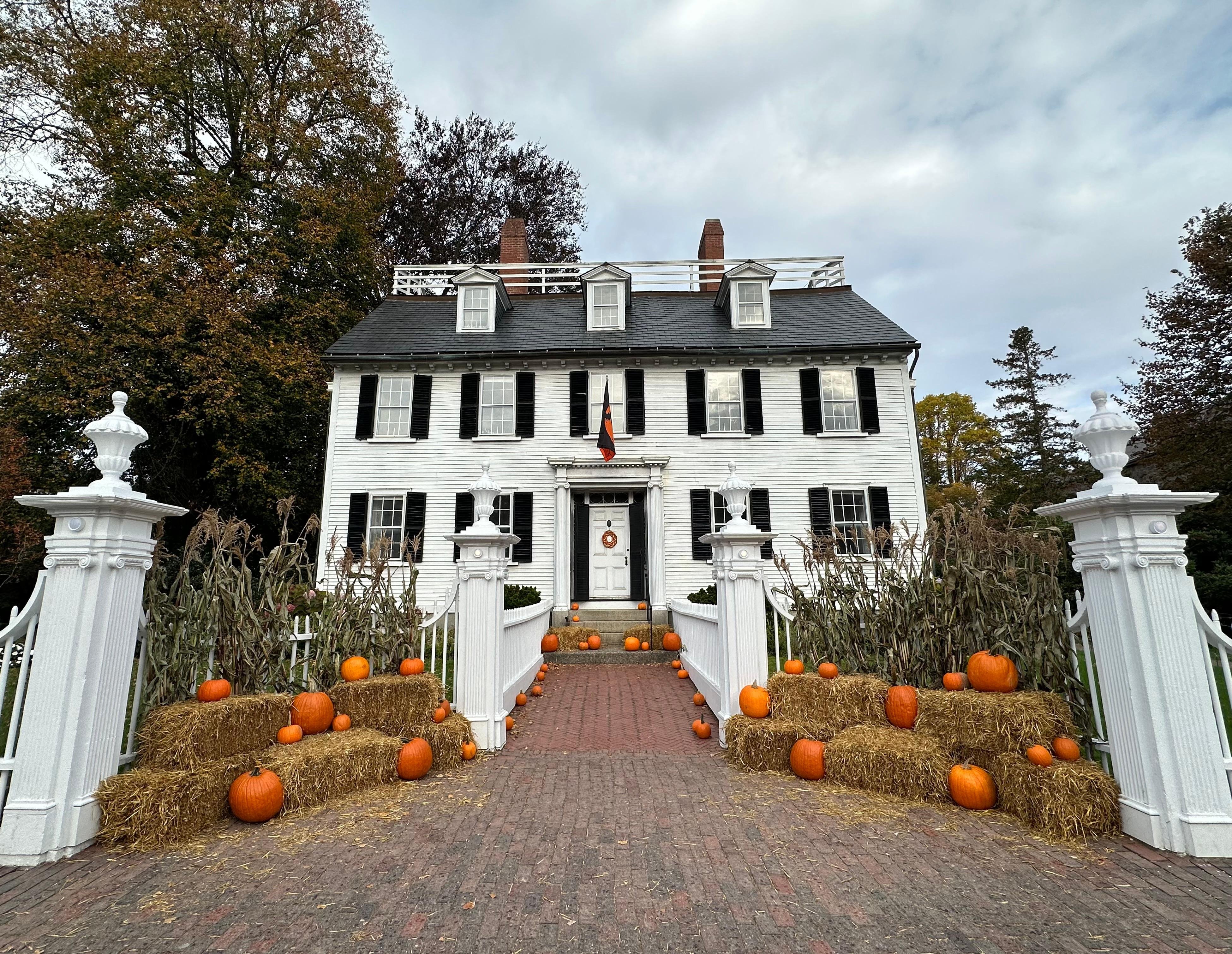
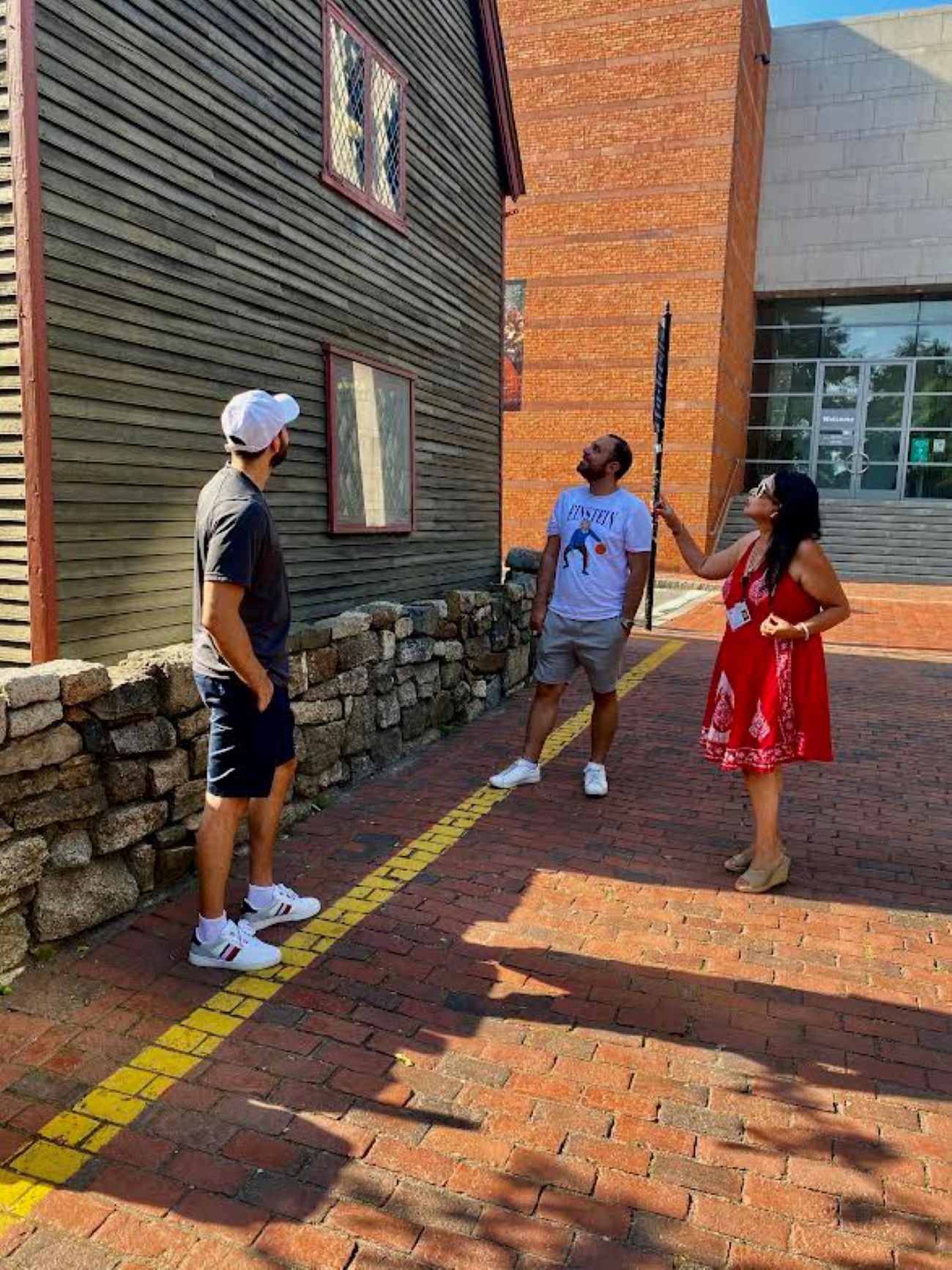
Jonathan Corwin bought the house on Essex Street in 1675, when he was twenty-four, and lived in it for over forty years. He sat on the Court of Oyer and Terminer, the court that sent nineteen people to the gallows, and the accused were brought to his home for pretrial examination. That makes it one of the only structures left in Salem with a direct tie to 1692 - not a house where something spooky is said to have happened, but the house where it was decided. It was restored to its seventeenth-century appearance in 1945 and has been open to the public since 1947. It charges admission and is worth it.
The 1992 memorial, and the burying ground beside it
The Salem Witch Trials Memorial on Liberty Street was dedicated on 5 August 1992 by Elie Wiesel and designed by James Cutler and Maggie Smith: twenty granite benches cantilevered from a low wall, one for each victim, each carved with a name and a manner of death. The victims' protests of innocence are cut into the threshold stones and deliberately run off mid-sentence, trampled underfoot. It sits against the Charter Street Old Burying Point, which is a real seventeenth-century cemetery and not a memorial - the trial victims are not buried there, because they were denied burial in consecrated ground.
What Salem is not
Nobody was burned. This is the single most common thing visitors arrive believing, and it is worth correcting before you book anything: nineteen people were hanged, Giles Corey was pressed to death under stones on 22 September 1692, and several more died in jail. Burning was a continental European punishment, not an English colonial one. A tour that leans on the burning image is telling you what it thinks you want rather than what happened - and in a city with a dozen operators, that is a useful filter.
Free, paid, and what a tour is actually for
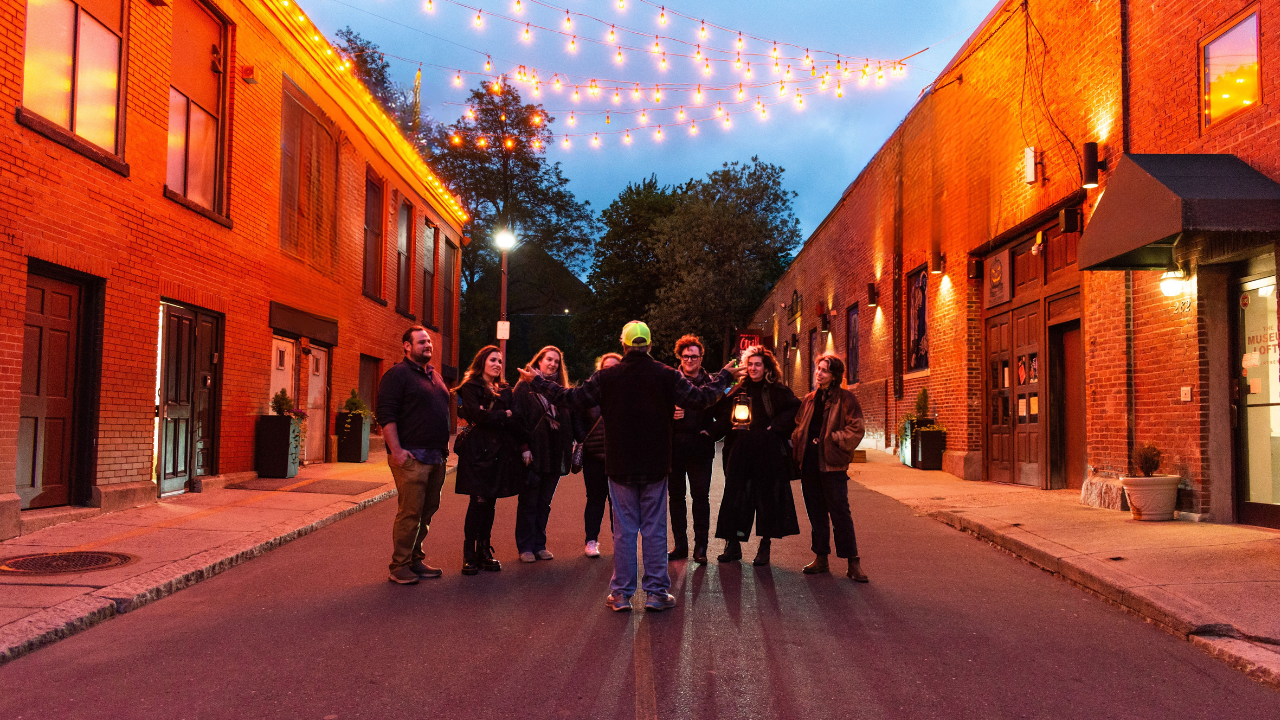
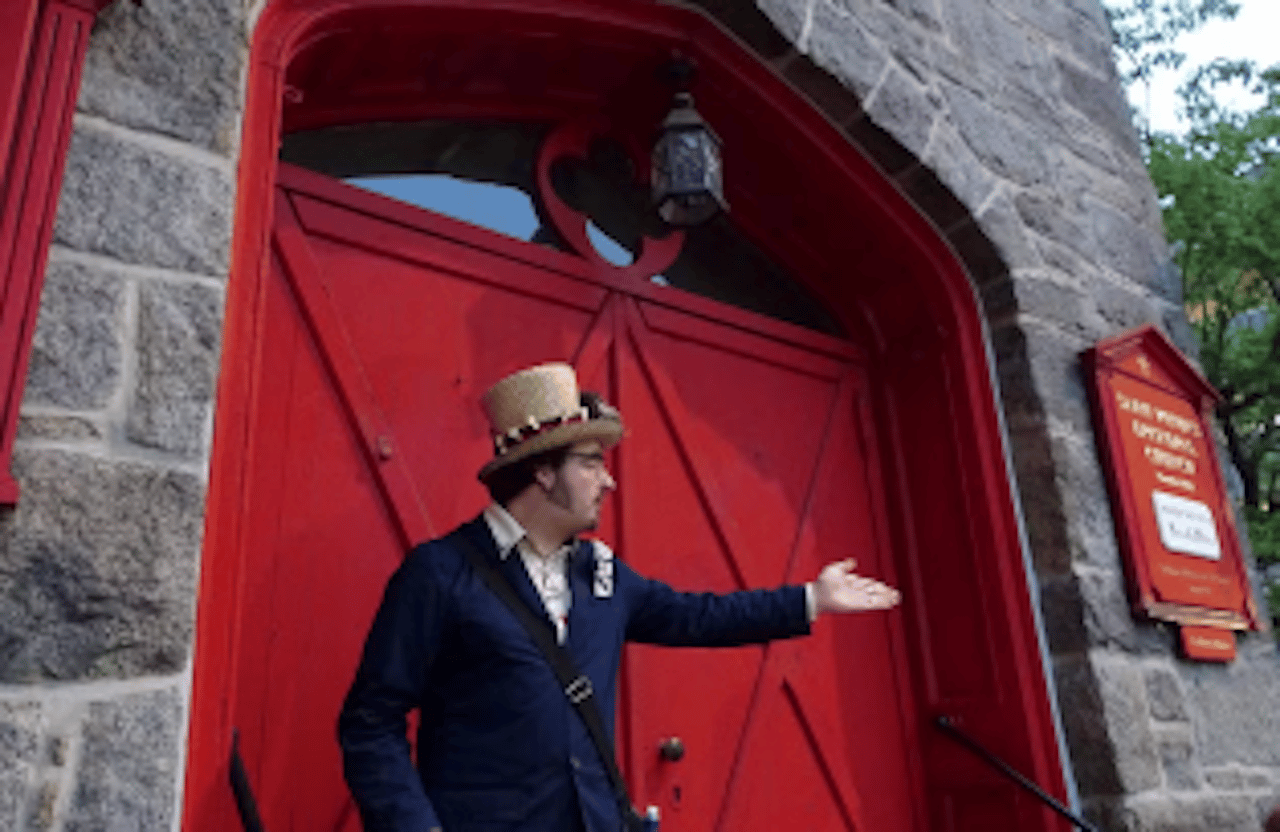
Proctor's Ledge and the Liberty Street memorial are outdoors, free and open. The Old Burying Point is free. The Witch House charges. So the honest case for a guided tour here is not access - almost everything is walkable and most of it is free - it is sequence and narration: which of these places to see in which order, and what happened at each one, from somebody who can tell it without the burning.
The entry price is cheaper than three quarters of US ghost tours, which start around $25, so this is genuinely cheap for a ghost tour rather than just cheap.
Salem ghost tours
12 of the 12 Salem tours we track
. Ordered by review depth.
The ones with something behind them: Proctor's Ledge, where the hangings actually took place, confirmed only in 2016; the Witch House on Essex Street, where Judge Jonathan Corwin examined the accused; the Salem Witch Trials Memorial on Liberty Street; and the Charter Street Old Burying Point beside it, a working seventeenth-century cemetery. Salem also has a great deal of purpose-built attraction that is atmosphere rather than history - both are fine, but it is worth knowing which you are paying for.
What is the most haunted house in Salem?
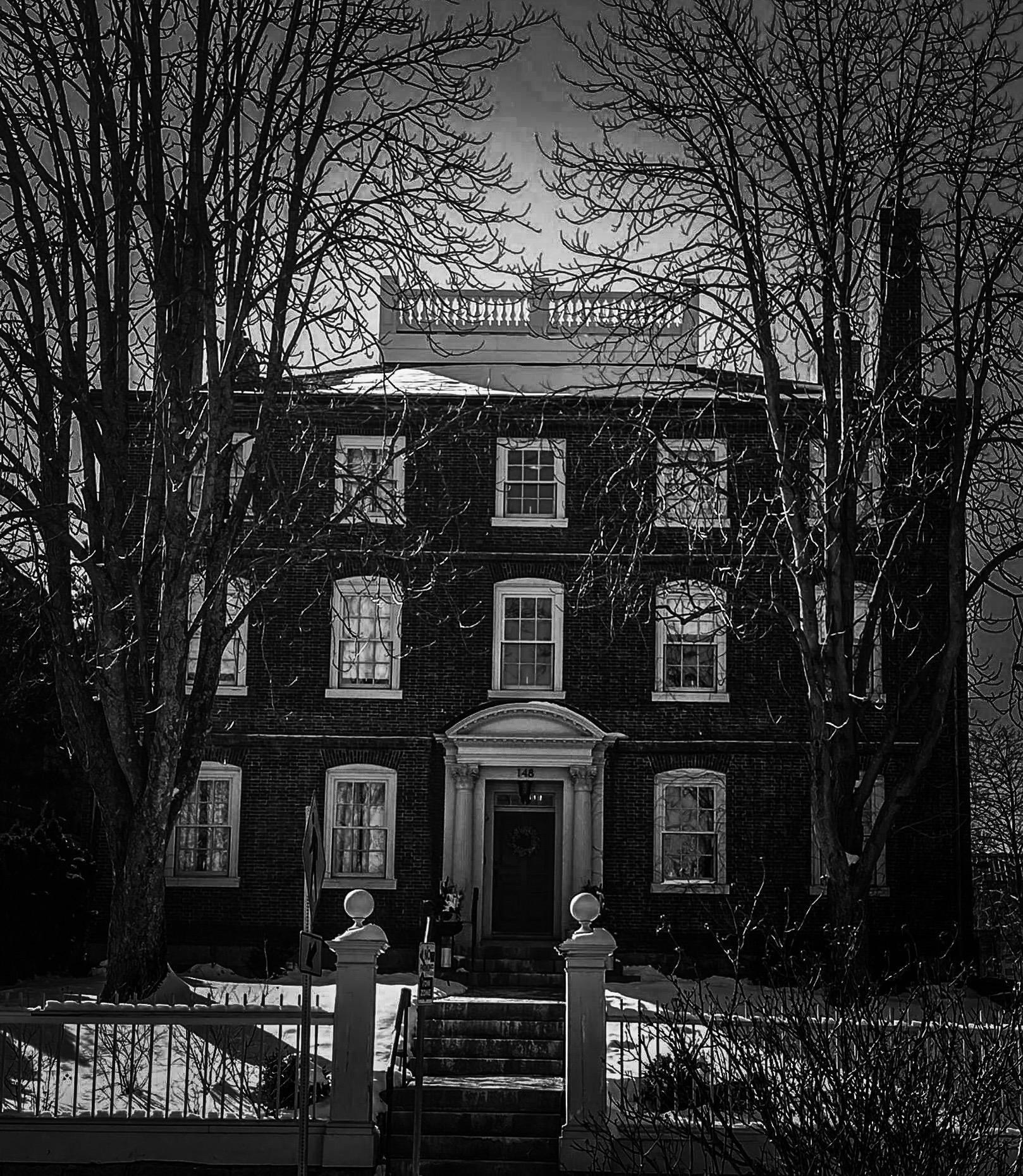
By reputation, the Joshua Ward House and the Hawthorne Hotel collect the most ghost stories. By history, the one that matters is the Witch House - Jonathan Corwin's home, and one of the only buildings still standing with a direct connection to the 1692 trials. Corwin bought it in 1675 and sat on the court that sent nineteen people to the gallows; the accused were brought to this house for pretrial examination.
Where did the witch hangings take place in Salem?
At Proctor's Ledge, a rocky outcrop at the base of Gallows Hill about a mile from the town centre. The exact spot was disputed for three hundred years and was settled in January 2016 by the Gallows Hill Project at Salem State University, which combined court records, old maps and ground-penetrating radar. A memorial was dedicated on the site on 19 July 2017. It is free, open and quiet, and most tours do not include it.
Where were witches killed in Salem?
Nineteen people were hanged at Proctor's Ledge in 1692. Giles Corey was pressed to death under stones on 22 September of that year, and several others died in jail awaiting trial. None of them were witches, and none of them were burned - a detail worth carrying into any tour you book.
Are there any houses still standing from the Salem witch trials?
Yes, though fewer than visitors expect. The Witch House - Judge Jonathan Corwin's home, built between about 1642 and 1675 - is the one usually described as the only structure in Salem with direct ties to the trials. It was restored to its seventeenth-century appearance in 1945 and opened to the public in 1947. Much of what looks old in central Salem is later, and much of what is billed as a witch-trials site is association rather than fact.
How many witches were actually killed in Salem?
None, in the sense the question implies: no one executed in 1692 was a witch. Nineteen people were hanged after conviction, one - Giles Corey - was pressed to death for refusing to enter a plea, and several more died in jail. Twenty victims are named on the Liberty Street memorial, and nineteen on the granite wall at Proctor's Ledge.
What was the dark history of Salem, Massachusetts?
A judicial panic that lasted less than a year. Accusations began in early 1692, a special Court of Oyer and Terminer was convened to hear them, and it accepted spectral evidence - testimony about dreams and apparitions. Nineteen hangings followed, plus one pressing and several deaths in custody, before the court was dissolved and the convictions began to be reversed. The city has spent the three centuries since alternating between forgetting it and selling it.